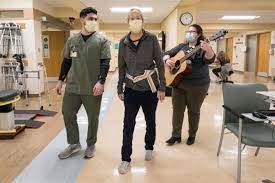

Performing arts medicine addresses the specialized health needs of artists through tailored medical strategies designed to meet the physical and psychological demands of their professions. Dancers, musicians, actors, and vocalists encounter unique challenges that require customized clinical care and preventive approaches. Specialized clinics focus on delivering multidisciplinary treatment plans rooted in evidence-based research, ensuring optimal health, injury prevention, and sustained artistic performance.
The physical demands in Performing Arts Medicine are entire community and discipline-specific. Dancers frequently experience overuse injuries such as tendonitis and stress fractures caused by repetitive jumping, turning, and weight-bearing activities. Musicians face risks related to repetitive hand movements and postural strain, leading to conditions such as carpal tunnel syndrome and focal dystonia. Vocalists often struggle with voice disorders like nodules and chronic strain due to extensive vocalization. Recognizing these distinct risks, performing arts medicine clinicians tailor assessment and treatment protocols to each artist’s discipline and individual needs.
Comprehensive clinical evaluation forms the cornerstone of tailored care. Healthcare providers assess musculoskeletal function, movement efficiency, and biomechanical factors while considering the specific demands of the artist’s craft. For example, motion analysis and ergonomic assessments help identify faulty movement patterns in dancers and musicians that may predispose them to injury. Vocalists receive detailed laryngeal examinations and voice function assessments. This precise evaluation informs personalized rehabilitation, conditioning, and preventive care.
Multidisciplinary treatment teams are integral to delivering tailored strategies. Physicians, physical and occupational therapists, speech-language pathologists, and mental health professionals collaborate to address the complex health concerns of performing artists. Physical therapists design strengthening and flexibility programs specific to the artist’s requirements, improving endurance and reducing injury risk. Speech-language pathologists provide voice therapy and education aimed at optimizing vocal technique and preventing pathology. Psychological support addresses performance anxiety and stress management, factors known to impact physical health and artistic output.
Prevention and education are critical components of tailored medical care. Clinics offer workshops and individualized coaching on injury prevention, ergonomics, vocal hygiene, and stress reduction. Evidence-based conditioning programs that include cross-training and rest scheduling have demonstrated effectiveness in reducing injury incidence, as documented in peer-reviewed journals such as the Journal of Dance Medicine & Science. Early intervention through regular screenings enables timely management of potential issues before they compromise performance.
Community health initiatives within performing arts medicine clinics strive to expand access to tailored care for all artists, regardless of career stage or financial situation. Partnerships with arts organizations and educational institutions facilitate outreach and resource distribution, empowering artists with knowledge to maintain health proactively. This approach promotes health care for all communities engaged in the performing arts sector.
Ongoing research contributes to refining tailored strategies by exploring injury mechanisms, rehabilitation outcomes, and wellness practices specific to various art forms. Such data-driven advancements ensure that clinical protocols evolve alongside emerging scientific evidence, enhancing the quality and effectiveness of care.
In summary, tailored medical strategies in performing arts medicine provide customized evaluation, treatment, and prevention approaches to meet the distinct demands of dancers, musicians, and vocalists. Through multidisciplinary collaboration, education, and research-informed practices, these strategies support injury prevention, optimize performance, and promote long-term wellness within the performing arts community.