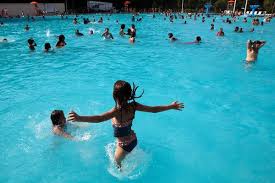

When it comes to physical rehabilitation, comfort, effectiveness, and safety are key. Pool therapy—also known as aquatic therapy—offers a supportive and low-impact environment that aids recovery while minimizing strain on the body. Whether recovering from surgery, injury, or managing chronic conditions, water-based therapy has proven to be an effective solution for many individuals seeking to restore mobility and improve overall function.
Low-Impact Recovery with Maximum Support
One of the primary benefits of pool therapy is the buoyancy of water, which reduces the effects of gravity. This allows individuals to perform movements with less pressure on joints, muscles, and bones. For those dealing with pain, inflammation, or limited range of motion, the water’s natural support makes exercises more manageable and less intimidating than traditional land-based therapy.
Improved Mobility and Flexibility
Warm water naturally relaxes muscles and improves circulation, making it easier to stretch and move. For patients experiencing stiffness or muscle tightness, the gentle resistance of water helps in regaining flexibility and range of motion over time. Regular sessions can lead to noticeable improvements in posture, coordination, and balance, especially for those recovering from orthopedic or neurological conditions.
Customized Programs for Various Needs
Pool therapy is versatile and can be tailored to meet the specific needs of each individual. Whether recovering from a sports injury, joint replacement, or neurological issue, aquatic exercises can be adapted to match the patient’s condition and progress. Therapists often use specialized tools like floating devices, resistance paddles, or underwater treadmills to aid movement and build strength gradually.
Safe and Comfortable Rehabilitation Environment
The controlled environment of a pool is ideal for patients who may be hesitant or unable to perform certain exercises on land. The reduced risk of falls and injuries in water offers a sense of security, encouraging more consistent participation. Additionally, the water temperature can be maintained at a level that promotes muscle relaxation and reduces discomfort during exercises.
Enhanced Recovery and Long-Term Benefits
Pool therapy not only aids in recovery but also supports long-term physical wellness. It promotes muscle engagement, cardiovascular conditioning, and improved endurance without overexerting the body. For individuals with arthritis, chronic back pain, or post-operative restrictions, aquatic therapy provides a safe way to stay active and maintain progress between formal rehabilitation sessions.
Conclusion
Pool therapy plays a vital role in physical rehabilitation by offering a gentle yet effective way to rebuild strength, flexibility, and confidence. With its low-impact nature, adaptable routines, and calming environment, aquatic therapy supports healing while empowering individuals to regain control over their physical health—one step, and one stroke, at a time.