
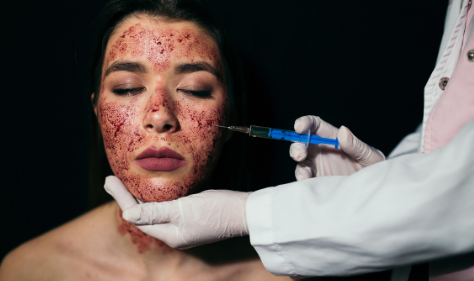
A vampire facial, also known as a platelet-rich plasma (PRP) facial, is a skincare treatment that uses your own blood to rejuvenate the skin. The process involves drawing a small amount of blood, separating the platelet-rich plasma through a centrifuge, and applying it to the face using microneedling or a dermal roller. The goal is to stimulate collagen production, improve skin texture, and promote a youthful glow. When done carefully, a modified at-home version can provide mild skin rejuvenation without professional equipment at home vampire facial.
Can You Safely Perform a Vampire Facial at Home?
While professional treatments offer the most controlled results, some people choose to perform a gentle at-home variation using safe and sterile methods. Safety should always be the top priority. Avoid drawing blood at home—this step should be left to licensed professionals. Instead, you can use PRP-inspired skincare products that mimic the benefits of plasma by using growth factors or peptides. Combining these with a microneedling or derma roller session can help you achieve similar rejuvenating effects.
What Do You Need for an At-Home Version?
To safely perform a vampire facial at home, you will need a clean derma roller or microneedling pen (with 0.25–0.5 mm needles for beginners), a mild disinfectant, soothing serum, and PRP-inspired skincare products. Always ensure your tools are sterile and avoid sharing them with others. Using non-sterile equipment can lead to infections or irritation.
How Do You Perform It Step-by-Step?
Start by cleansing your face thoroughly and applying a disinfectant to remove any bacteria. Next, gently use the derma roller on your face, rolling horizontally, vertically, and diagonally across each section. Avoid sensitive areas like the eyes and lips. Once completed, apply a soothing serum followed by your PRP-inspired skincare product. Allow it to absorb naturally, and finish with a hydrating, fragrance-free moisturizer.
What Should You Avoid After Treatment?
After performing an at-home facial, avoid makeup, excessive sun exposure, and harsh skincare products for at least 24–48 hours. Refrain from touching your face frequently to reduce the risk of irritation or infection. Hydration is key—drink plenty of water and use a gentle moisturizer to help your skin recover.
How Often Should You Do It?
For best results, limit at-home treatments to once every two to three weeks. Overuse can damage the skin barrier and lead to sensitivity. Consistency, rather than intensity, is what promotes noticeable improvement over time.
Final Thoughts
A safe at-home vampire facial can refresh your skin and enhance natural radiance when done carefully. Always prioritize hygiene, use clean tools, and choose high-quality skincare products. If you have sensitive skin or medical conditions, consulting a dermatologist before starting is strongly advised.