
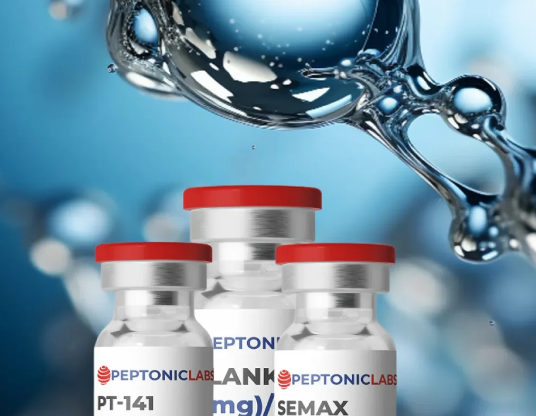
Intense physical activity, the natural aging process, and the demands of a busy lifestyle can all take a toll on the body’s ability to recover. For athletes, peptonic peptides, and health-conscious individuals, optimizing daily recovery is essential for maintaining performance and overall well-being. This guide answers common questions about how specific peptides can support the body’s natural repair mechanisms.
About Peptides for Recovery
What are peptides and how do they aid recovery?
Peptides are short chains of amino acids, which are the fundamental building blocks of proteins. They function as signaling molecules within the body, instructing cells to perform specific tasks. When it comes to recovery, certain peptides can help accelerate the body’s natural healing processes, reduce inflammation, and promote the regeneration of tissue after strenuous activity or injury.
Which peptides are commonly associated with tissue repair?
Two of the most well-researched peptides for recovery are BPC-157 and TB-500.
BPC-157: Often studied for its regenerative capabilities, BPC-157 has shown potential in accelerating the healing of soft tissues like muscles, tendons, and ligaments. It is believed to work by promoting the formation of new blood vessels, a critical step in tissue repair.
TB-500 (Thymosin Beta-4): This peptide is known for its role in promoting cell migration to sites of injury, which aids in tissue repair and flexibility. Research suggests it helps reduce inflammation and supports recovery after intense physical exertion.
These Peptonic peptides are frequently used by those looking to enhance their recovery protocols.
Can peptides support more than just muscle recovery?
Yes, the benefits of peptides extend beyond muscle repair. For instance, Growth Hormone Secretagogues (like Ipamorelin and Sermorelin) are peptides designed to stimulate the body’s own production of growth hormone. This can lead to improved muscle growth, better fat metabolism, and enhanced overall vitality and endurance. By supporting systemic functions, these peptides contribute to a more comprehensive state of recovery and wellness.
Are all peptides the same quality?
No, the quality, purity, and potency of peptides can vary significantly. It is crucial to source peptides from a reputable supplier that provides lab-tested products. High-quality compounds are essential for achieving reliable and consistent outcomes in any research or personal health protocol. Low-purity products may not only be ineffective but could also pose safety risks.
Elevate Your Recovery Strategy
Incorporating high-quality peptides into a daily routine can be a powerful tool for enhancing the body’s recovery systems. By supporting tissue repair, reducing inflammation, and boosting vitality, peptides offer a targeted approach to maintaining peak physical condition. For those serious about their health and performance, exploring Peptonic peptides provides a pathway to achieving your recovery goals with confidence.